Buying insurance can feel deceptively simple—until you realize just how many ways there are to do it. From online forms to local agents and independent brokers, the choices can be confusing. Each option comes with distinct advantages and limitations, and the path you choose can affect everything from price and coverage to the level of help you receive when a claim arises.
In a recent episode of Insurance Hour, host and 30-year industry veteran Karl Susman broke down the three primary ways consumers buy insurance today. His insights reveal that the best choice isn’t always the fastest or the cheapest—it’s the one that fits your needs, risk profile, and expectations for service.
Buying Insurance Directly from the Company
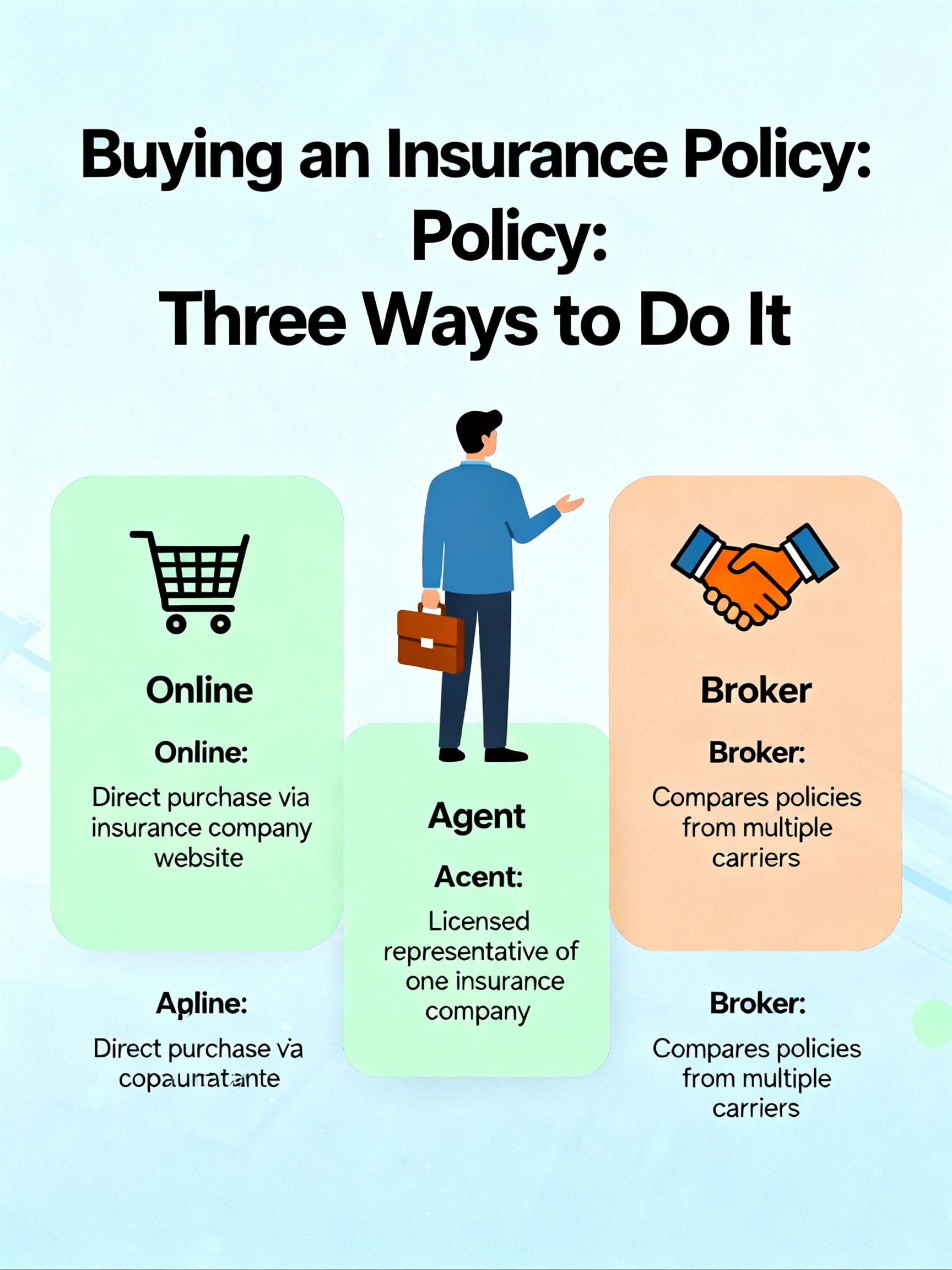
In the digital age, many consumers go straight to an insurer’s website or call center to purchase coverage. It’s fast, convenient, and appeals to people who prefer to manage everything themselves.
When you buy direct, you work one-on-one with the insurance company. Quotes are generated online or over the phone, and coverage can often be bound within minutes.
Advantages
- No middleman: You deal directly with the insurer.
- Speed and convenience: Ideal for simple policies like auto or renters insurance.
- Streamlined communication: Fewer parties involved.
Disadvantages
- No advocate: If a claim is disputed or coverage is questioned, you are on your own.
- Limited guidance: You may not realize you selected the wrong coverage until a loss occurs.
- No real price advantage: Despite common belief, buying direct usually costs the same as going through an agent or broker because rates are regulated at the state level.
As Susman explains, cutting out the middleman rarely translates into savings. What you sacrifice is professional guidance and representation, not premium dollars.
Working with a Captive Insurance Agent
A captive agent represents a single insurance company, or occasionally two. Well-known examples include agents who work exclusively with State Farm, Farmers, or Allstate.
Captive agents are deeply trained in their company’s products, underwriting rules, and discount structures.
Advantages
- Deep product knowledge: Captive agents are experts in one company’s offerings.
- Consistent experience: One brand, one system, one set of rules.
- Relationship-driven service: Many clients value long-term relationships with a dedicated local agent.
Disadvantages
- Limited choice: The agent can only place your policy with their own company.
- One-size-fits-all approach: If your risk profile doesn’t fit that insurer’s appetite, options are limited.
- Potential structural bias: Even when well-intentioned, captive agents must work within their company’s constraints.
Captive agents can be an excellent fit for consumers who align well with a specific carrier’s underwriting guidelines. But if your situation is unique or higher risk, their limited toolbox can become a challenge.
Working with an Independent Insurance Broker
Independent brokers are not tied to any single insurance company. Instead, they represent the consumer and shop coverage across multiple carriers—sometimes dozens.
This model offers the highest degree of flexibility and advocacy.
Advantages
- Choice and comparison: Brokers can compare prices and coverage across many insurers.
- Customization: Ideal for complex risks, high-value homes, businesses, or specialty vehicles.
- Advocacy: Brokers legally represent the insured, not the insurance company. They assist with claims, non-renewals, and disputes.
As Susman puts it, brokers act as managers for their clients, representing them to the insurance company and helping navigate issues when problems arise.
Disadvantages
- Broker fees: Some brokers charge service fees, typically $50–$100 annually. These should always be disclosed upfront.
- No binding authority: Brokers usually must obtain final approval from the insurer before coverage is active, which can cause brief delays.
For many consumers—especially those seeking guidance, multiple options, and personal advocacy—the added value of a broker outweighs these drawbacks.
Price vs. Service: What Most People Don’t Realize
One of Susman’s key points is that price is rarely the deciding factor between these three options. Insurance premiums are filed with and regulated by the state. For the same policy with the same insurer, the price is typically identical whether you buy direct, through a captive agent, or via a broker.
What changes is not the premium—it’s the service model:
- Who explains your coverage
- Who advocates for you during a claim
- Who helps replace coverage after a non-renewal
As Susman explains, “It’s not about paying less—it’s about getting the right kind of help.”
Which Insurance Buying Method Is Best?
There is no universal “best” way to buy insurance. The right choice depends on the complexity of your needs, your comfort level with self-service, and how much support you want over the life of your policy.
- Direct purchase works well for simple, low-risk needs and tech-savvy consumers.
- Captive agents are ideal for clients who trust a specific brand and want a long-term relationship with one carrier.
- Independent brokers are best for consumers who value choice, customization, and professional advocacy—especially in complex or high-risk situations.
As Susman puts it plainly, “One size does not fit all.”
A Smart Consumer’s Checklist When Buying Insurance
No matter how you buy your coverage, Susman recommends following these best practices:
- Ask who represents whom. Does your agent or broker represent you or the insurance company?
- Understand all fees in advance, especially broker service fees.
- Verify licensing and credentials in your state.
- Review your policy annually to adjust for life changes and market conditions.
- Seek professional advice for complex or high-value risks.
These simple steps can prevent costly coverage gaps and unpleasant surprises at claim time.
Final Thoughts: Knowledge Is Your Best Policy
Insurance is something you hope never to use—but when you need it, everything depends on how well it was structured in advance. The method you choose to buy insurance shapes not just your premium, but your experience when something goes wrong.
As Karl Susman concludes, unless you’re an insurance expert yourself, it makes sense to work with someone who is. Whether that’s a broker, a captive agent, or a trusted carrier representative, the goal remains the same: proper protection, clear understanding, and peace of mind.
In the end, the best policy isn’t just the one you purchase—it’s the one that’s been thoughtfully built, reviewed, and supported by someone who truly understands your needs.